Attorneys for the city failed to secure qualified immunity for former Officer Toni McBride, focusing the legal battle on a six-second sequence of gunfire.
Originally by David G. Savage, this story is a summary of LA Times article
This is the summary of the article by David G. Savage, Staff Writer of the LA Times on June 22, 2026. For the full version of the original article, please visit https://www.latimes.com/politics/story/2026-06-22/supreme-court-says-ex-lapd-officer-may-be-sued-for-excessive-force-in-street-shooting
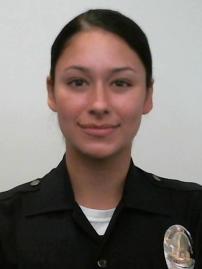
Federal Case Moving Forward: A wrongful death lawsuit brought by the family of Daniel Hernandez will now head to a full jury trial in federal district court following the Supreme Court’s order.
Justified vs. Excessive Force: While judges agreed the initial four shots were a reasonable response to an advancing threat, a jury must now evaluate the legality of the final two fatal shots.
Precedent Left Intact: The Supreme Court’s decision to deny certiorari leaves a narrow 6–5 appellate ruling in place, rejecting the argument that the officer’s actions were fully shielded from liability.
The U.S. Supreme Court has cleared the way for an excessive force lawsuit against a former Los Angeles Police Department officer, rejecting a petition to dismiss the civil case stemming from a fatal street shooting.
The high court’s decision allows a lawsuit to proceed against former LAPD Officer Toni McBride, who shot and killed a knife-wielding man near downtown Los Angeles in April 2020. The incident occurred after the suspect, Daniel Hernandez, crashed his speeding truck into multiple vehicles, creating a chaotic scene on a city street.
At the center of the legal battle is the sequence of shots fired during the encounter. Over a span of six seconds, McBride fired six rounds at Hernandez. While legal experts and judges generally agreed that the first four shots were a justified response to an armed suspect advancing toward the officer and bystanders, the final two shots became the focal point of the constitutional dispute.
The U.S. 9th Circuit Court of Appeals issued a split 6–5 en banc ruling, determining that a jury should decide whether the fifth and sixth shots constituted excessive force. Surveillance and body-camera footage showed that the final two rounds were fired after Hernandez had collapsed to the asphalt, wounded, and was rolling away in a fetal position. The appeals court majority held that under the Fourth Amendment, McBride had an obligation to momentarily pause and reevaluate whether Hernandez still posed an immediate lethal threat before continuing to shoot.
Attorneys representing the City of Los Angeles and McBride petitioned the Supreme Court to intervene, arguing that law enforcement officers should not have their split-second, life-or-death reactions hyper-analyzed frame-by-frame in a courtroom. They maintained that because Hernandez remained armed with the knife and was still moving on the ground, the officer was protected by qualified immunity—a legal doctrine that shields government officials from liability unless they violate clearly established law.
By refusing to block the litigation, the Supreme Court leaves the 9th Circuit’s ruling intact. The denial of certiorari ensures that the civil rights lawsuit brought by Hernandez’s family will move forward to a full jury trial in a federal district court, where jurors will ultimately decide if the final fatal rounds crossed the line into unlawful force.